Airframe & Structures
A Flightory Stallion-VTOL airframe with an Eppler E205 wing profile for aerodynamic efficiency and low mass; primary parts are 3D-printed in lightweight PLA-LW.
No matches. Try another term.

01 / Vehicle
Our unmanned aerial system: airframe, avionics, autonomy stack and payload, and the design decisions behind each of them.
A Flightory Stallion-VTOL airframe with an Eppler E205 wing profile for aerodynamic efficiency and low mass; primary parts are 3D-printed in lightweight PLA-LW.
Three T-Motor F100 2810 1100KV motors with Hobbywing Skywalker 60A ESCs and HQProp 9050 propellers, powered by a 6S3P 15000 mAh Molicel P50B Li-ion pack sized for a safe thrust-to-weight margin.
A Pixhawk Cube Orange Plus flight controller, Here 3 GPS, a Matek PDB-HEX power board, 12V/25V regulators and a 100A breaker fuse for stable, protected autonomous flight.
A Jetson Orin NX mission computer running ROS, YOLO11s object detection, BoT-SORT / OSNet ReID tracking and Multi-Objective Model Predictive Control (MOMPC).
A SIYI A8 mini 4K gimbal camera feeds the Jetson detection and tracking pipeline; the resulting target coordinates trigger a servo-actuated, precise aid-drop.
915 MHz RFD900X telemetry, a 5 GHz Ubiquiti Rocket R5 AC / Nanostation 5AC Lite video downlink, a 2.4 GHz FlySky i6X manual link, and Mission Planner plus a custom interface at the ground station.
Decision 01
Fixed-wing platforms offer high aerodynamic efficiency but need a runway or hand launch, a serious operational constraint on the competition field. A VTOL layout adds motor and servo complexity but enables vertical takeoff and safe landing in tight areas; after liftoff the wing motors tilt to horizontal, keeping the high cruise speed (19.8 m/s) and endurance (25.7 min) of a fixed wing.
Decision 02
The full perception and decision loop runs on-board (edge) for low latency and link-loss tolerance, so we chose the Jetson Orin NX for real-time deep-learning inference. ROS provides modularity, YOLO11s real-time detection, BoT-SORT / OSNet ReID robust tracking, and MOMPC unifies the multi-objective mission control.
02 / Testing
CAPELLA's test philosophy runs from component to system and from simulation to field, to minimise crash risk: mechanical and electrical validation on the bench, then simulated data flows, then ground and flight testing before full mission rehearsals.
Weather, mechanical connections, battery mounting, centre of gravity, RC/telemetry link, safety switches and control surfaces are checked from a checklist, with the camera verified before takeoff.
Motor thrust measurements, wing span-load tests, power regulator outputs, and software/hardware validation against simulated data flows in Gazebo/PX4/SITL.
With propellers off, control-surface response to RC commands is verified; then manual vertical takeoff, hover and position-hold are qualified in QSTABILIZE mode.
Switching from QLOITER to FBWA/AUTO, the 90° tilt transition to forward flight, autonomous route following, lock-on and dive scenarios are tested and the flight data reviewed.
03 / Blog
Longer write-ups from the team: technical deep-dives, competition recaps and lessons learned along the way.
04 / Team
A multidisciplinary student team from TOBB University of Economics and Technology, Ankara: autonomy, avionics, mechanics, communications and perception.
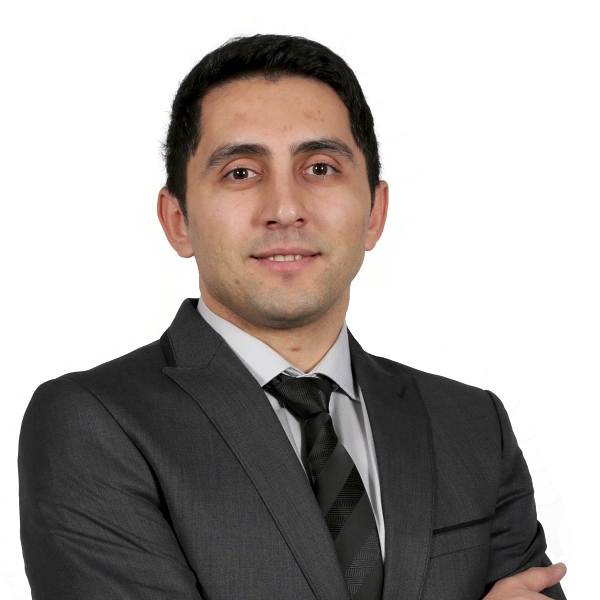
Faculty Advisor
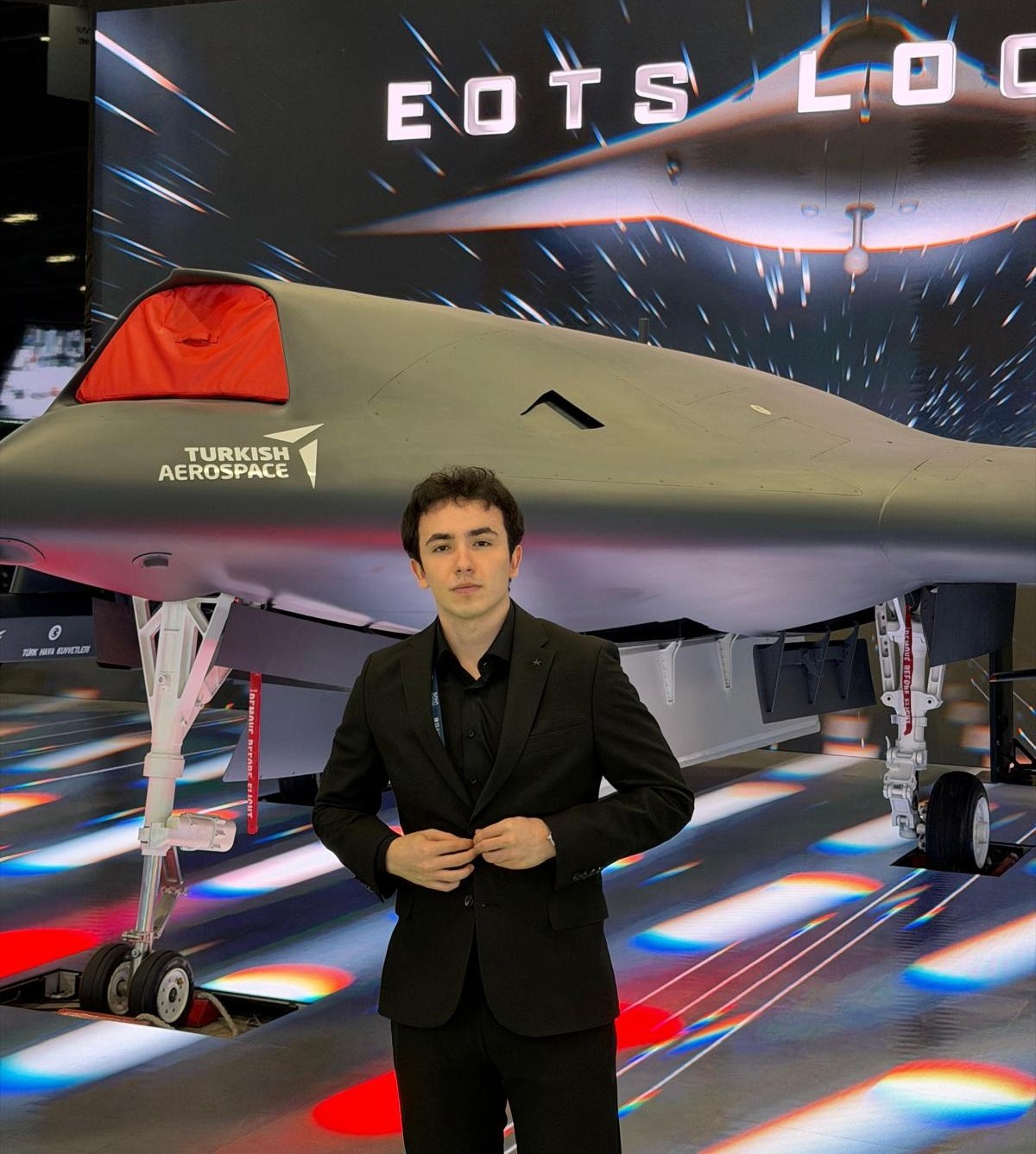
Team Lead · Autonomy

Avionics · Power
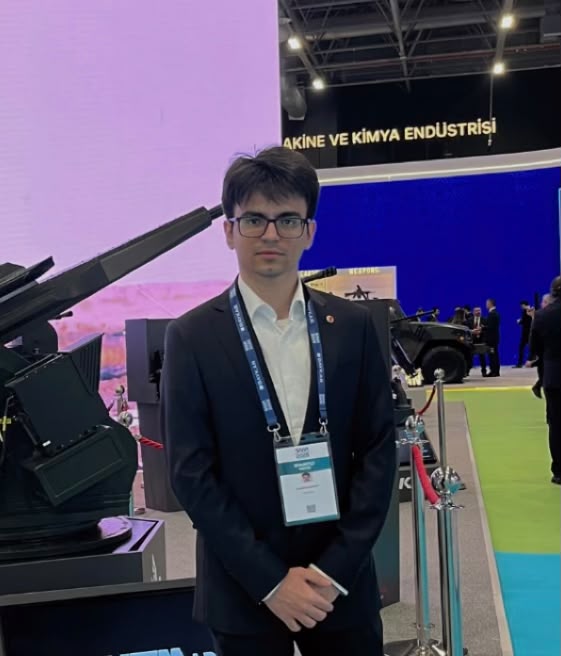
Software · Security
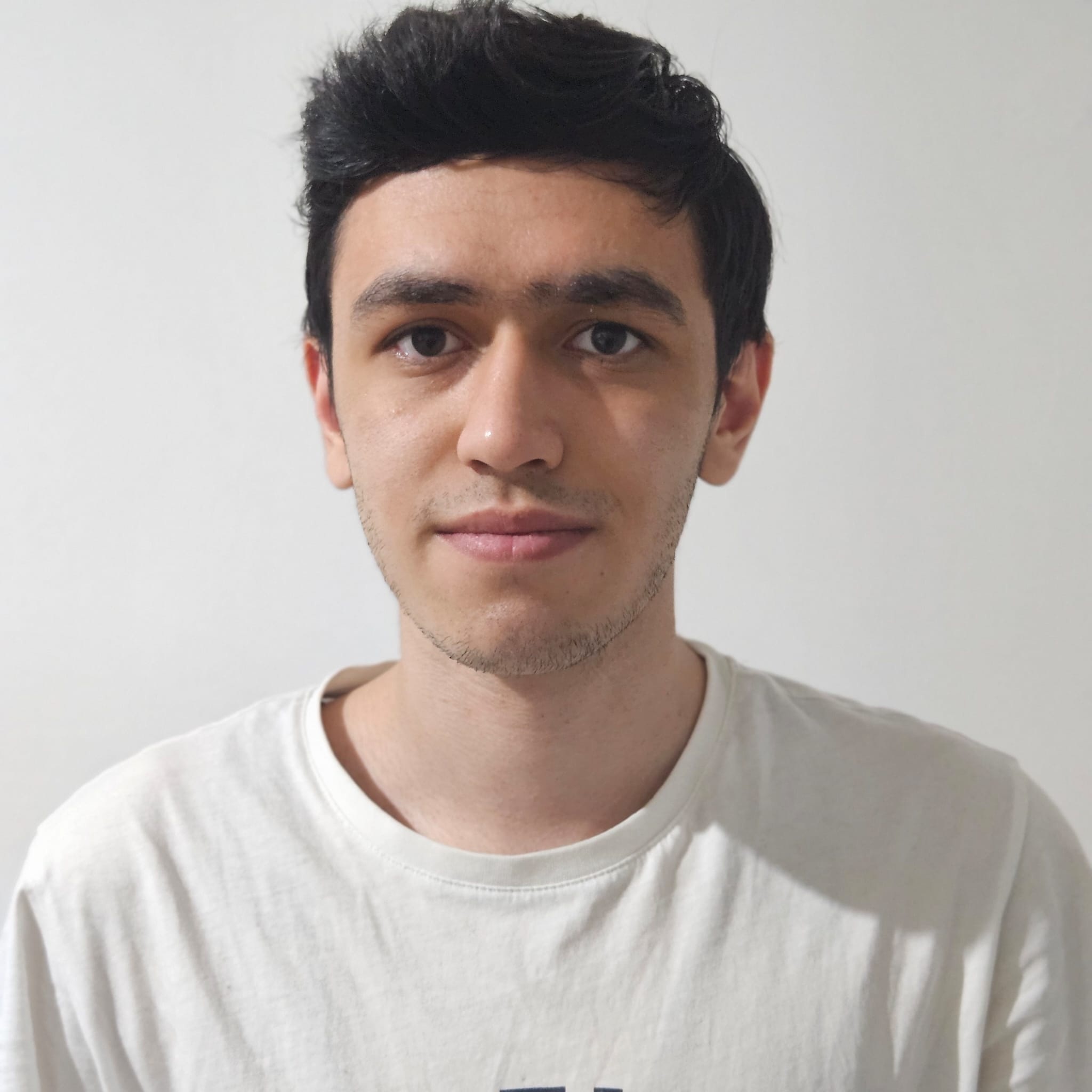
Mechanics · Airframe

Comms · Telemetry
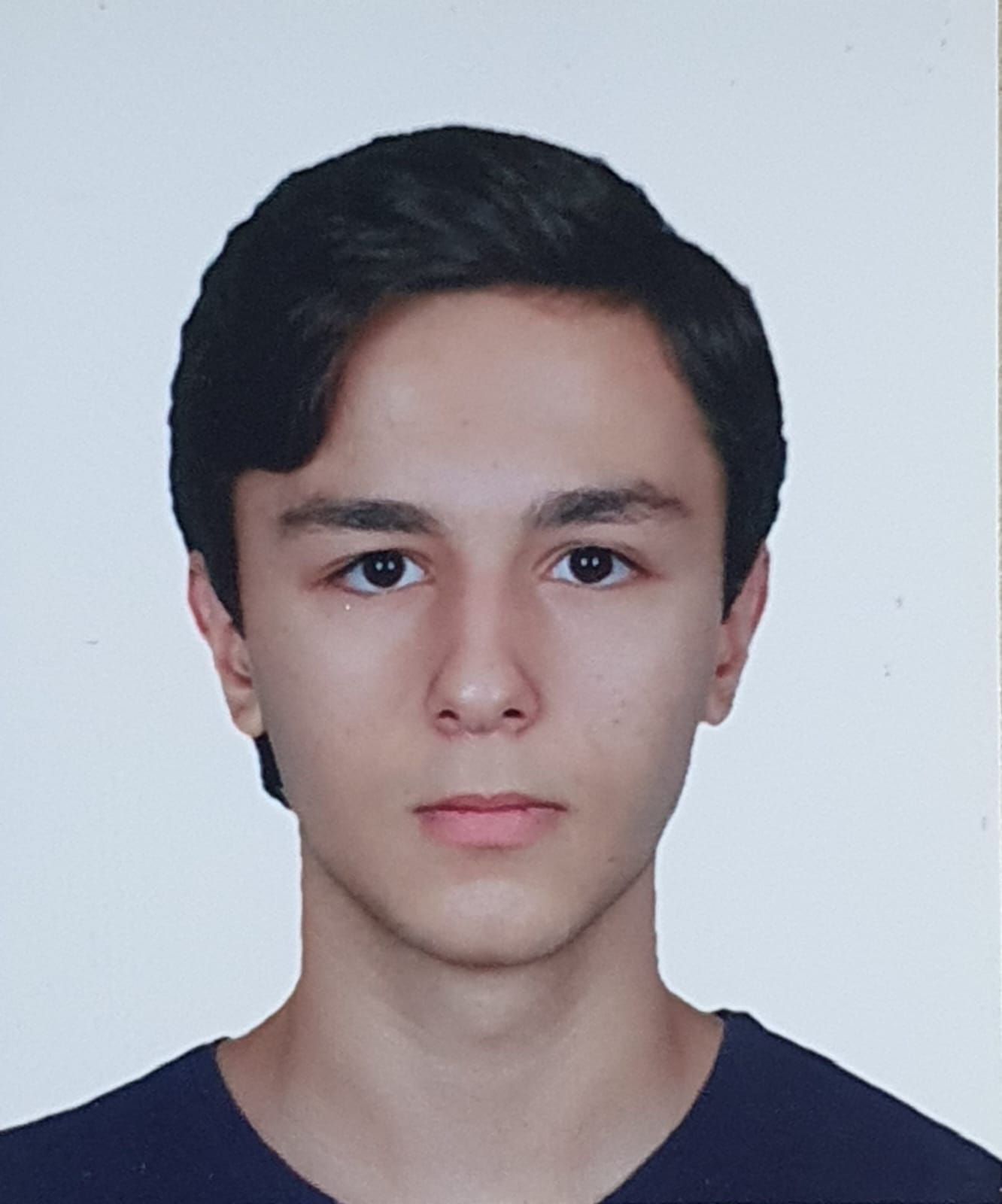
Perception · AI
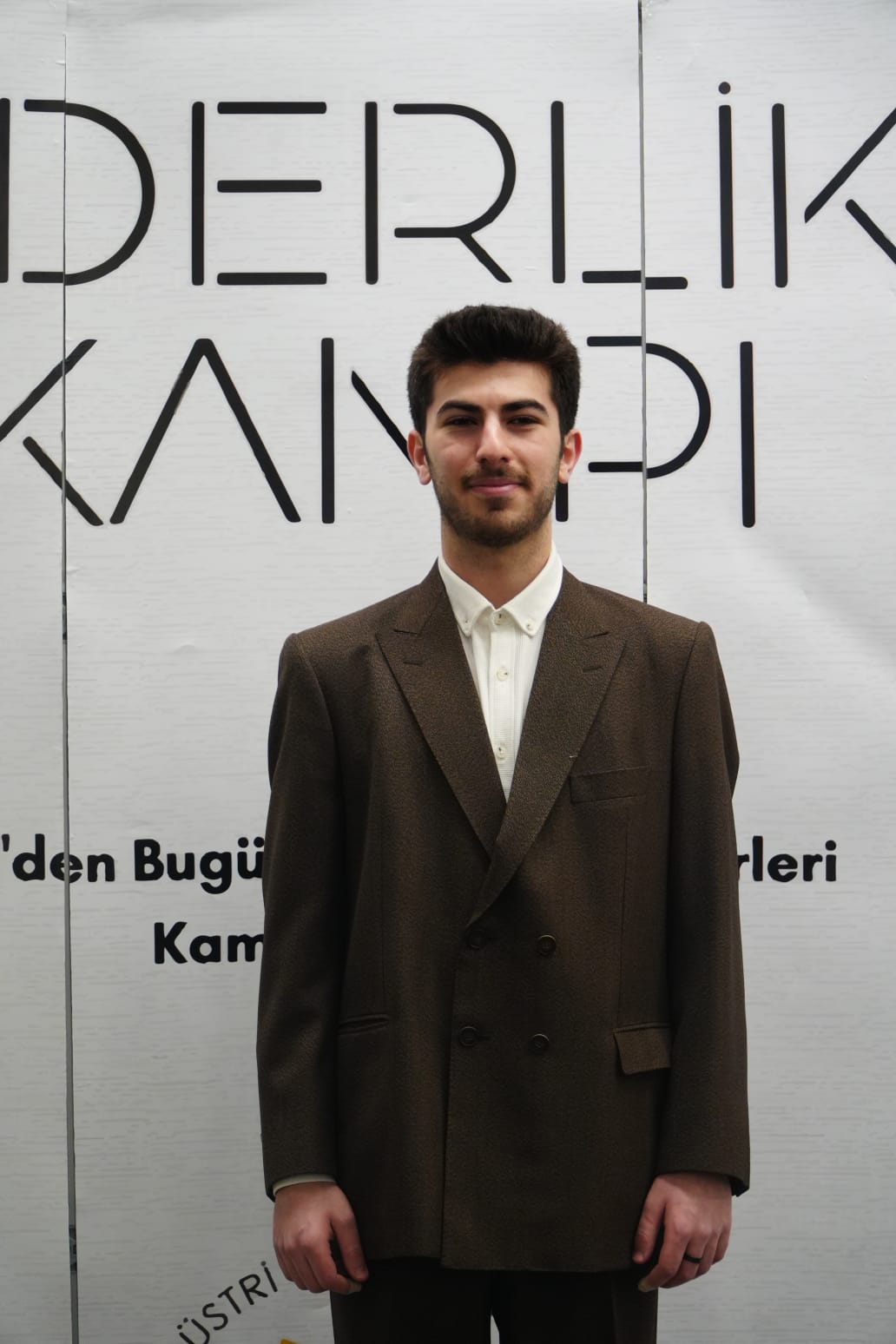
Mechanics · Airframe

Avionics · Telemetry

Ops · Media
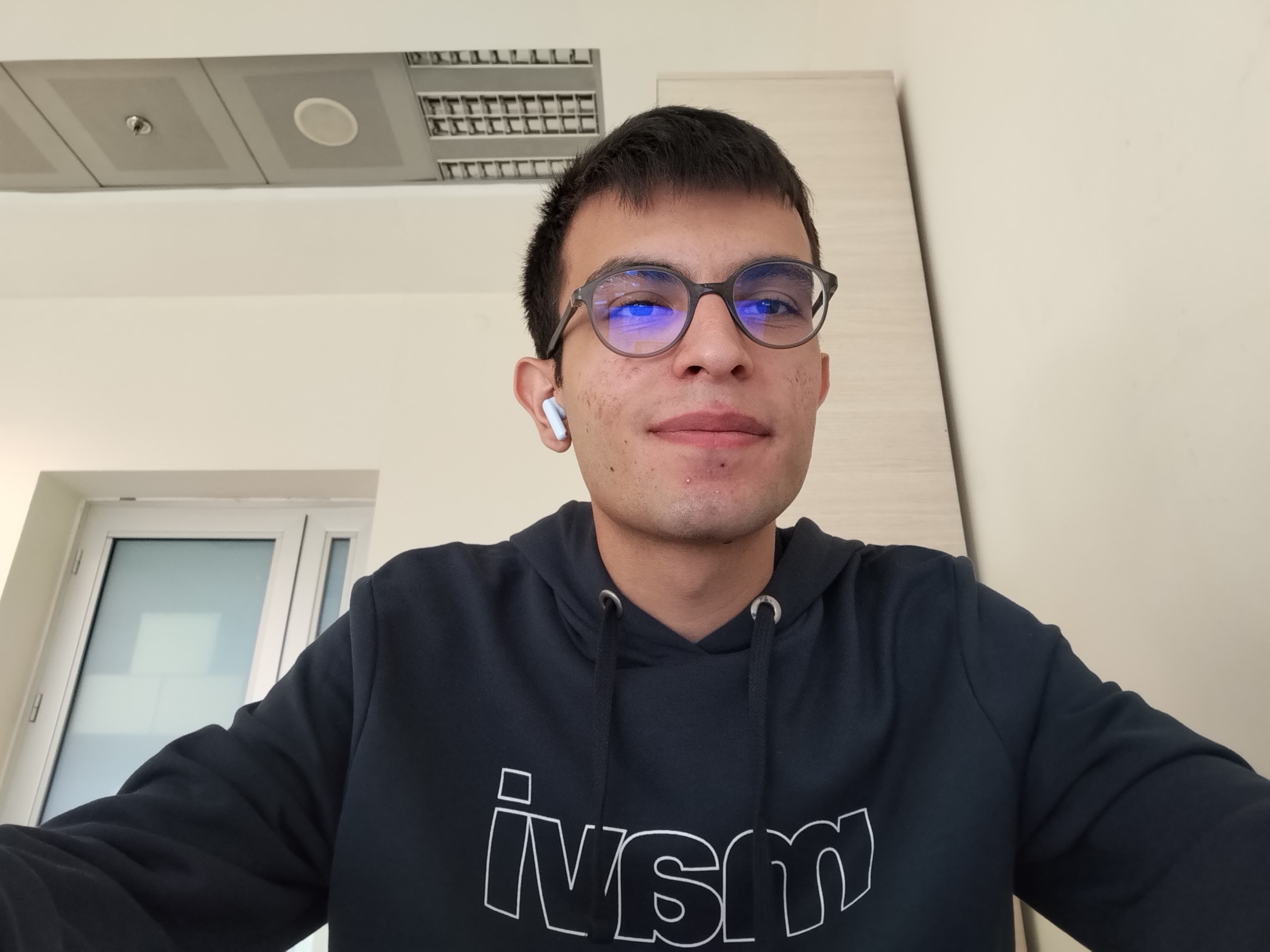
Intern

Intern
05 / Mission
Mission & Vision
We develop intelligent UAV systems that detect and locate victims and critical assets in disaster scenarios, then deliver the right aid payload safely and precisely. By combining autonomy, avionics, perception and robust system engineering, we turn real-world constraints into reliable mission performance.
To become a leading student UAV team known for practical autonomy, dependable engineering and meaningful impact, building aerial systems that support search & rescue, humanitarian logistics and time-critical operations.
06 / Media
 Workshop
 Workshop
 Workshop
 Workshop
 Workshop
07 / Sponsors
We are grateful to the organisations that make our work possible.


Interested in supporting us? Get in touch.
08 / Contact
Questions, partnership ideas or sponsorship inquiries. We reply as soon as we can.